VB Code

Games, code, and how to build them

Start with a playable prototype, borrow a coding technique, or read a game release with a small engineering experiment in mind.

Vibo Game

Small, playable experiments and what to test next.

Ask for one playable loop

Give a coding agent one input, one obstacle, and one restart. Play the first thirty seconds before adding assets, then describe where the controls or feedback felt wrong. OpenAI’s game-building write-up shows this kind of iteration on Void Explorer.

Read the developer guide

Test an aiming camera on a slope

In our browser tank game, the hull pitches and rolls while the turret turns around world up. Test the two frames of reference separately. Drive across a slope without moving the mouse and check that the sight horizon stays level.

See the VB Code prototype

Prototype keyboard and touch together

Tokyo Toy Night has keyboard and touch controls. In your own prototype, send both control layouts through the same move and action commands, then test holding a direction while tapping an action on a narrow phone screen.

See the VB Code prototype

Prototype a readable fire effect

The Three.js flame demo credits a developer post on X and shows how animated noise and a color gradient shape a sprite. Build an original torch for your own scene, then adjust only the flicker speed and check how clearly the torch reads from the gameplay camera.

Open the official example Developer post on X

Vibo Code

Useful developer posts, source docs, and repeatable checks.

Make WebGPU fallback a smoke test

A developer discussion on X points to an everyday compatibility problem. The Three.js manual documents that WebGPURenderer falls back to a WebGL 2 backend when WebGPU is unavailable. Run the same scene with the default renderer setup and with forceWebGL enabled, then compare material appearance and startup errors.

Technical documentation Developer post on X

Give your coding agent a way to prove the fix

OpenAI’s harness engineering write-up describes making applications observable to coding agents. In a browser game, expose a repeatable input sequence and check a concrete effect, such as whether restarting resets the score, rather than asking the agent if the game feels fixed.

Read the developer guide

Use Three.js r187 to test a rendering budget

The r187 release notes list a new MeshletDrawingPipeline, which groups geometry into small clusters. Build a reproducible scene with a fixed camera path and compare frame times before and after any renderer change. Keep the scene and device constant.

Technical documentation

Game

A short industry brief with a programming takeaway.

GTA VI launch and a city-streaming experiment

Rockstar announced GTA VI for PS5 and Xbox Series X|S on November 19. For a small developer exercise inspired by a dense city, divide an original test map into a few blocks, drive across a boundary, and log the slowest frames with and without prefetching the next block.

Rockstar followed with a deluxe soundtrack announcement on November 23. A separate audio exercise is to prototype two original radio stations with Web Audio and keep each station’s playhead moving while the listener switches away.

Official release announcement Official soundtrack announcement Developer post on X

Best Independent Game

Official nominees

The nominees were announced on November 17. The selection follows the official categories, and the games within each category are listed alphabetically.
Best Independent Game announcement on X

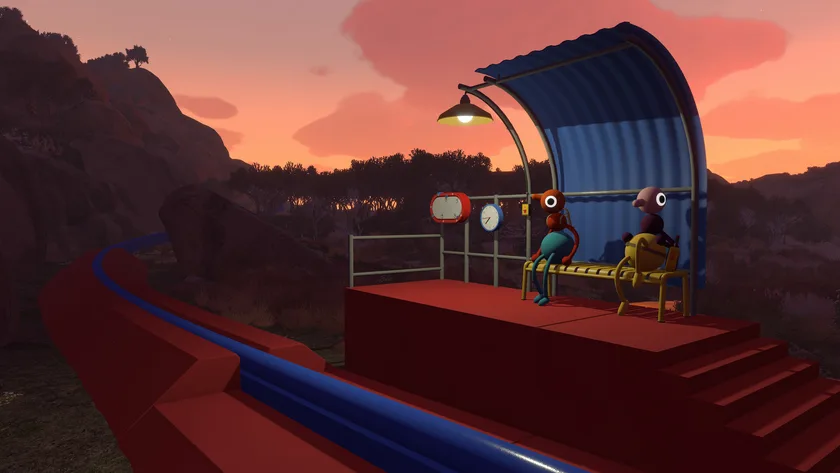
Big Walk

House House sends friends walking and talking across a shared island full of puzzles. To see whether geography can prompt conversation, build a room where one player can read a clue and another can operate the mechanism, then see what they naturally say to each other.

Project source Watch the official trailer
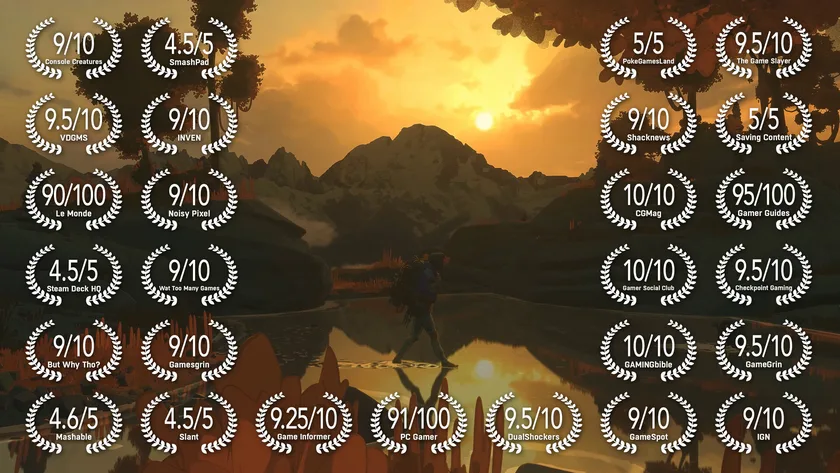
Cairn

The Game Bakers turns a cliff face into a route-planning problem with controlled hand and foot placement. Prototype one wall with a short, exposed route and a longer, safer one. Use the placement of holds to make the trade-off readable from below.

Project source
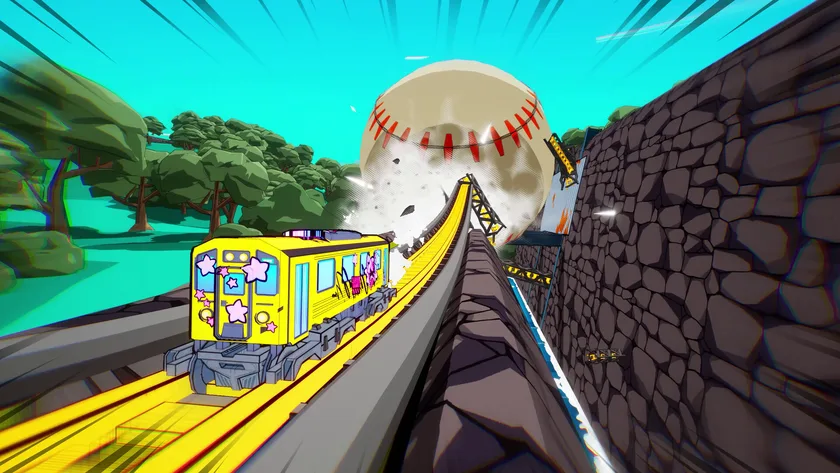
Denshattack!

Undercoders gives the train a skateboard’s vocabulary of flips, grinds, and clean landings. For a scoring prototype, build one jump and give the landing a distinct sound and score cue so players can immediately tell where they gained or lost points.

Project source
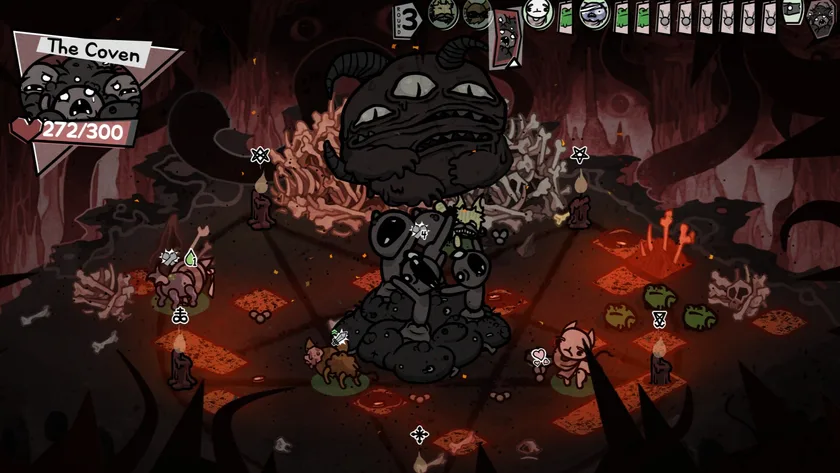
Mewgenics

Turn-based battles feed into a breeding system that carries traits across generations of cats. To test whether a tactical run can make a longer-term decision interesting, give one returning unit a single inheritable trait and watch whether it changes who the player sends out next.

Project source
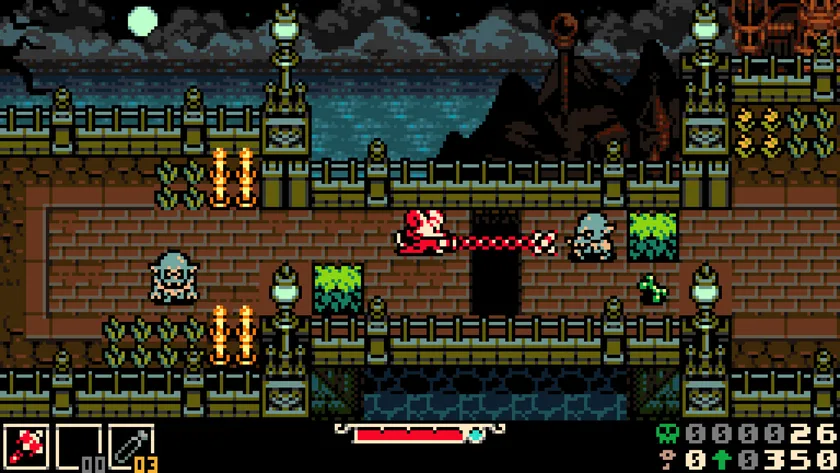
Mina the Hollower

Yacht Club Games gives Mina a burrow that carries her beneath enemies and hazards. In an action prototype, use one movement input to cross a gap and dodge an enemy, then put both challenges in the same room to see whether the player transfers what they learned.

Project source
Best Debut Indie Game

Official nominees

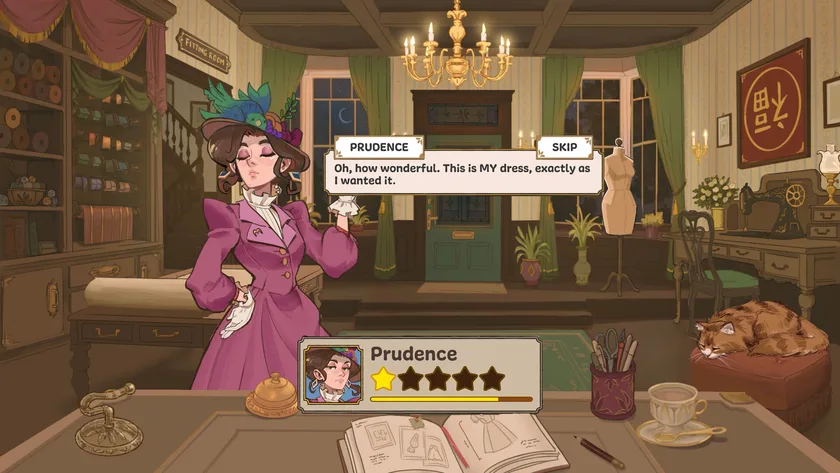
Dressmaker

Cozy Lives makes the work of choosing and assembling a dress into a game. Give two players the same customer brief and a small fabric palette, then compare whether they arrive at distinct designs that both satisfy the brief.

Project source

Esoteric Ebb

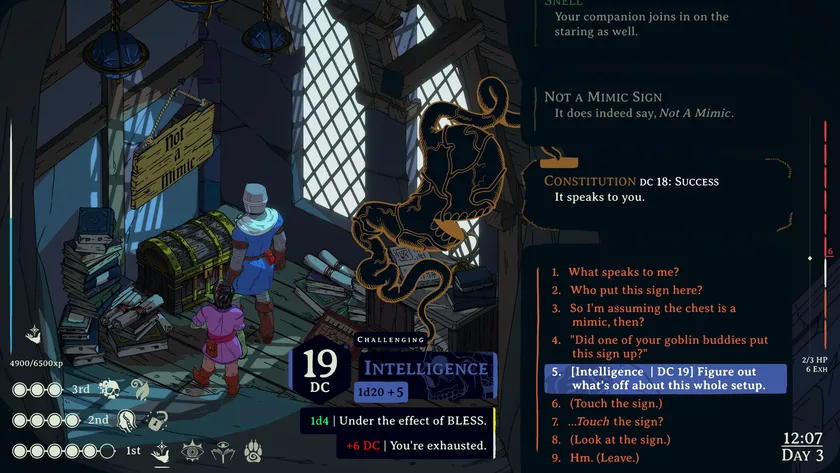
Dice rolls and branching dialogue let the cleric stumble into new situations while investigating an explosion. In one dialogue scene, make a failed roll create a new obligation, then see whether players follow it or instinctively reload.

Project source

Orbitals

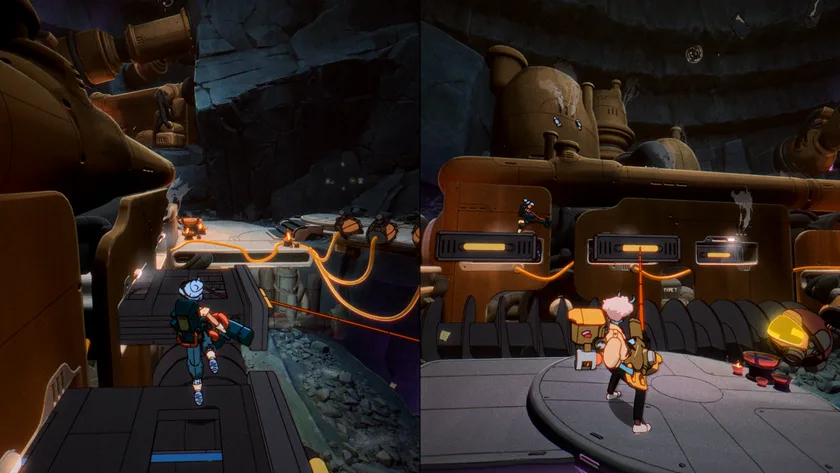
Shapefarm builds its retro-anime space adventure around two-player puzzles. Try giving each player a different useful tool in a single room and see whether they can both explain how their partner helped open the way forward.

Project source

REPLACED

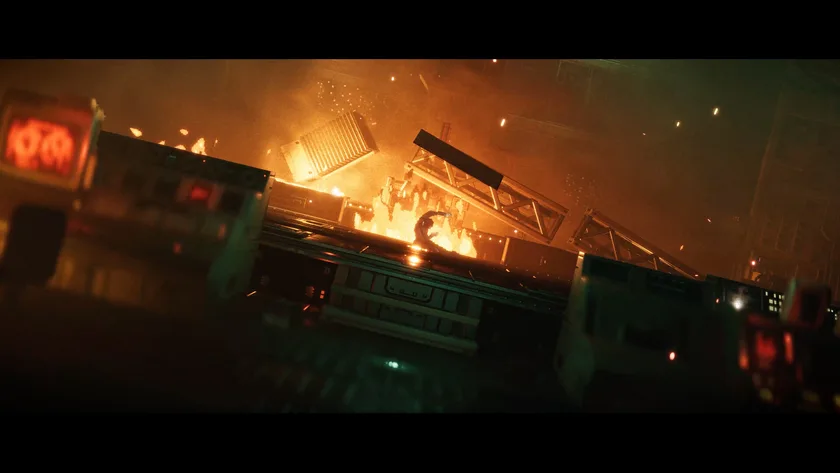
Sad Cat Studios uses a 2.5D perspective for its cyberpunk platformer about an AI trapped in a human body. Build a short corridor with one foreground layer and one background layer, then check which surfaces players think they can actually land on.

Project source

Silver Pines

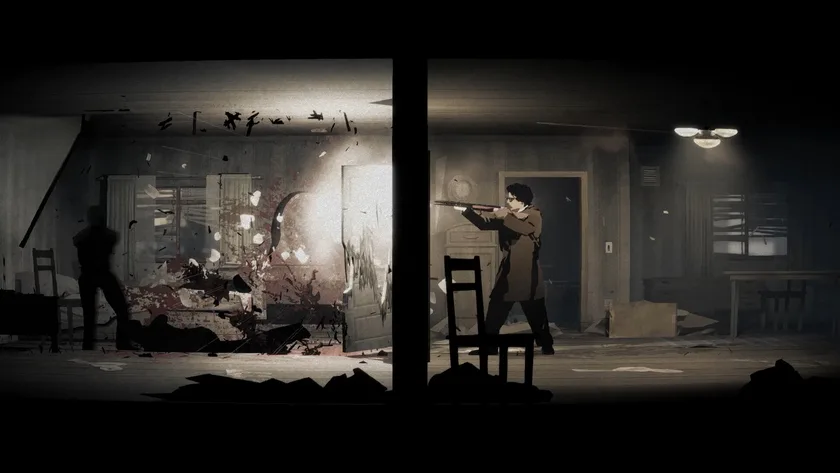
Wych Elm puts survival horror inside an interconnected town that players explore for clues. To see how backtracking can build tension, send players through a familiar room a second time and change just one sound cue.

Project source

Screenshots for the awards issue are from the developers’ Steam listings and the Orbitals publisher’s site.